


Prostatitis is an inflammatory process, the focus is on the prostate gland.Its other popular name is prostate.This disease and its related pelvic pain (groin area) are accompanied by painful sensations in and around the prostate gland.
In most cases, pain occurs for the following reasons:
- infection;
- inflammation;
- some health problems.
Prostatitis can occur in any man, both in middle age and in youth.Do not neglect the prevention of male prostatitis.
The role of the prostate gland in the body
The prostate gland is a small, round, uneven gland that is part of the male reproductive system.The gland is located below the bladder in front of the rectum.Surrounded by muscles and nerves, the prostate gland contains the urethra or urethra (the tube that carries urine and sperm out of the body).
The prostate gland has a special task - to help create a fluid environment for sperm.
This seminal fluid protects and energizes the sperm on its way to the female egg.
The first signs of the development of prostatitis
Symptoms of this disease are few.But if you find yourself with at least 2 of the following symptoms –consult a urologist immediately.
- Urine flow slowly decreases or rangesless than 20 cm.
- Difficulty, dribbling, urination.
- Pain and burning when urinating.
- Spacing, bifurcation, spraying of the jet, duration of the process.
- A feeling that the bladder is not completely empty.
- Frequent urination at night.
- Pain between the genitals and anus.
We advise you not to diagnose yourself, but to undergo all necessary examinations in the hospital.
Prostatitis has a complex pathogenesis, and self-medication based on common symptoms poses a serious threat to your health.Only a urologist can make a correct diagnosis after a series of tests.
Forms and symptoms of prostatitis
There are 4 types of the disease:
- Chronic bacterial prostatitis.
- Chronic prostatitis/chronic pelvic pain syndrome (CP/CPPS).
- Acute (sudden) bacterial prostatitis.
- Symptomatic inflammatory prostatitis.
Chronic bacterial prostatitis
This health problem can persist for many years despite treatment.The most common pathogen Escherichia coli (lat.Escherichia coli).
Symptoms characteristic of this form:
- Burning sensation during urination.
- You need to urinate often at night.
- Pain in the bladder, testicles and penis, as well as between the genitals and the anus.
- Painful ejaculation.
Treatment is based on antibiotics.In most cases, doctors prescribe medication and the medication must be taken6-8 weeks.After completion of therapyup to 50%patients had relapses.Therefore, we must not forget about prevention after the disease subsides.
Chronic prostatitis/chronic pelvic pain syndrome (CP/CPPS)
CP/CPPS is the most common form of the disease.The symptoms are similar to the bacterial form of prostatitis, but the pathogen is unknown.
CP/CPPS can be caused by bacteria, especially chlamydia, mycoplasma (sexually transmitted) or ureaplasma.Or in men, inflammation of the prostate gland develops if the body reacts to an infection or injury received in the past.
Treatment options includealpha 1 blockerandanti-inflammatory drugs.In many cases, simple measures such as heat, baths, or relaxation procedures lead to improvement.
Of course, there is currently no most effective therapy.Therefore, treatment for CPPS is long and often not very successful.For patients, this often represents a serious psychological stress, which in turn can have a negative impact on the course of the disease.Therefore, psychological support or psychotherapy is highly desirable.
Acute (sudden) bacterial prostatitis
Its symptoms often appear suddenly.In most cases, the causative agent is Escherichia coli (lat.Escherichia coli).
%20and%20inflammation%20of%20the%20prostate%20with%20prostatitis%20(right).jpg)
Since the acute form is a bacterial disease, it is treated with antibiotics accordingly.Antibiotics from the fluoroquinolone group are used here.Timely treatment can solve this problem and prevent the disease from becoming chronic.
Acute painful sensations force you to consult a doctor immediately.
The patient shows the following symptoms:
- Fever.
- Don't get cold.
- Difficulty emptying the bladder.
- Intense burning sensation when going to the toilet.
Asymptomatic inflammatory prostatitis
The danger of this variety is that it occurs secretly without bothering you with symptoms.Other problems of this type may be detected during testing.
The reasons for the activation of the mechanism of this form are largely unclear.The nerves and muscles in the groin begin to ache due to infection, inflammation and some other problems.
Causes of the disease
Doctors have identified several possible causes, including:
- Previously detected bacterial infections in the prostate gland.
- Bacteria that are atypical (resistant to antibiotics).
- Irritation caused by accumulation of urine in the prostate gland.
- Problems with nerve connections in the lower urinary tract.
- Parasites.
- Problems with the pelvic muscles.
- Viruses and reduced immunity.
- A sedentary lifestyle leads to poor blood circulation.
- Irregular intercourse or complete absence of intercourse.
What are the risk factors for the development of prostatitis?
The causes of most cases of inflammation are not fully understood.Several things can increase the risk of bacterial prostatitis:
- a catheter (a tube for draining fluid from the body) or other device that was recently inserted into the urethra;
- abnormal structure of the urinary tract;
- recent bladder infection;
- hypothermia.
Is it possible to prevent prostatitis?
Most cases of the disease cannot be prevented.Safe sex can only reduce the risk of contracting diseases caused by germs.So having sex with a regular partner you trust is another factor in men's health.
How is prostatitis diagnosed in men?
Physical examination
A doctor may perform a manual rectal examination (MRE) of the rectum:
- It is done by inserting a lubricated finger of the hand wearing a sterile glove into the opening of the anus.
- The doctor will squeeze the prostate gland and feel that it is enlarged or normal, soft.
- Lumps or hardness may indicate the presence of prostate cancer.
- The specialist will ask how painful or uncomfortable you feel when touching the area near the gland.
- If you are sick, the examination can be inconvenient and painful.
- But it will not cause any harm and will not cause pain for a long time.
Conducting tests in the laboratory
If your doctor suspects a problem with your prostate gland and nearby tissues, he will refer you to a urologist.
Urologistis a specialist dealing with problems of the urinary tract and the male reproductive system.Your urologist or other specialist can order tests to find out the cause and how to help.
Each type of disease requires a different approach to treatment.
Your doctor will be able to determine which type you have to make sure other health problems aren't contributing to your symptoms.Many tests are used to find the answer.
Ultrasound
To take a closer look at the prostate gland, the doctor prescribes a rectal examination using ultrasound.Ultrasounduses sound waves reflected from it to examine the condition of the organ.An ultrasound probe is placed in the anus to "see" the source of inflammation.The procedure does not cause the condition to worsen, so there is no need to be afraid.
Conducting a smear test
The doctor will do a urine test and take fluid from the prostate gland to find out the cause of the problems.During a manual rectal examination, when the prostate was massaged, fluid flowed from the penis, which was defined as prostatic effusion.
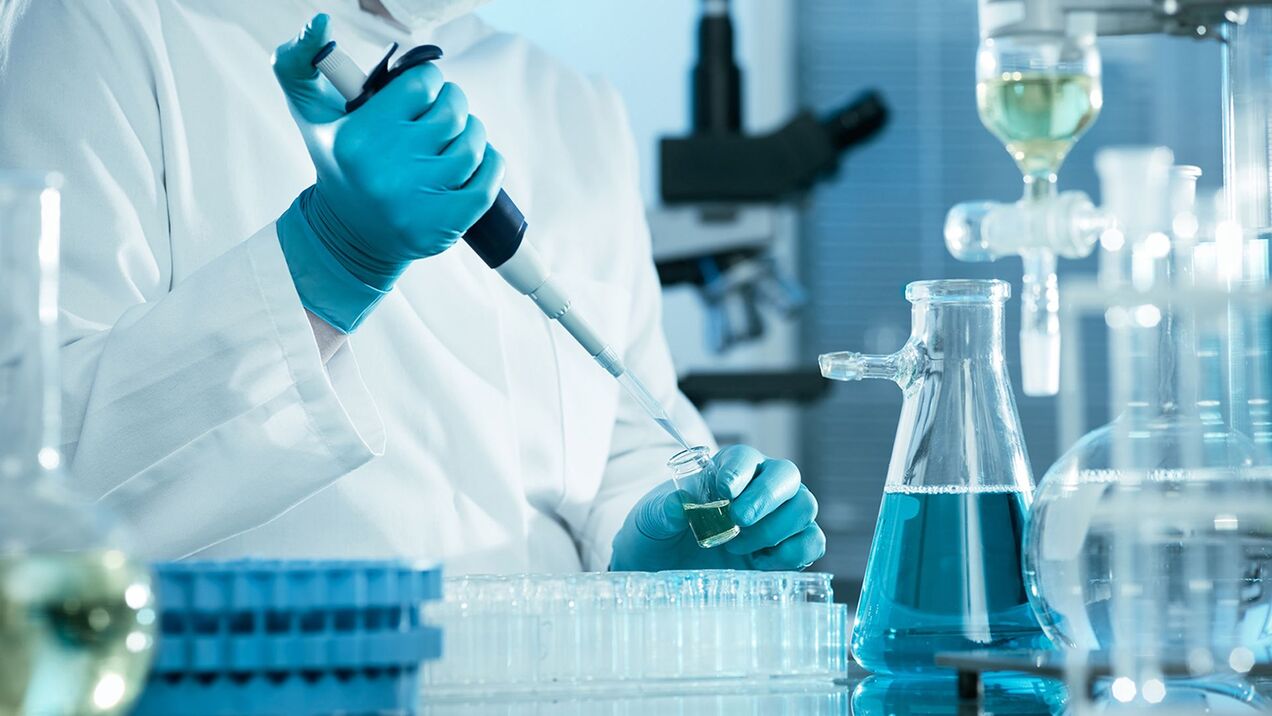
Urine and feces are checked for microflora.The test result can indicate whether the problem is in the urethra, prostate gland, or bladder.
Blood and sperm are also checked for bacteria, white blood cells or other signs of infection.Also, if you have recently been treated with antibiotics, your test results will also change.
Diagnosis using a cystoscope
A urologist looks at your urinary tract, prostate, and bladder using a cystoscope.It is a long, thin telescope with a bulb at the end.First, the doctor will give you anesthesia.Then he will carefully insert the cystoscope into the bladder and analyze the condition of your organs.
Can prostatitis cause cancer?
Although inflammation of the prostate gland causes a lot of discomfort, it is not capable of causing cancer.There is a blood test recommended by doctors to determine the presence of a tumor.This is called the prostate specific antigen test (PSA for short).In the presence of inflammation, PDA levels may increase.It doesn't mean you have cancer.During treatment, the doctor will measure the PDA level several times.
Remember that you must constantly monitor your health and follow preventive recommendations.Be healthy and don't get sick!